

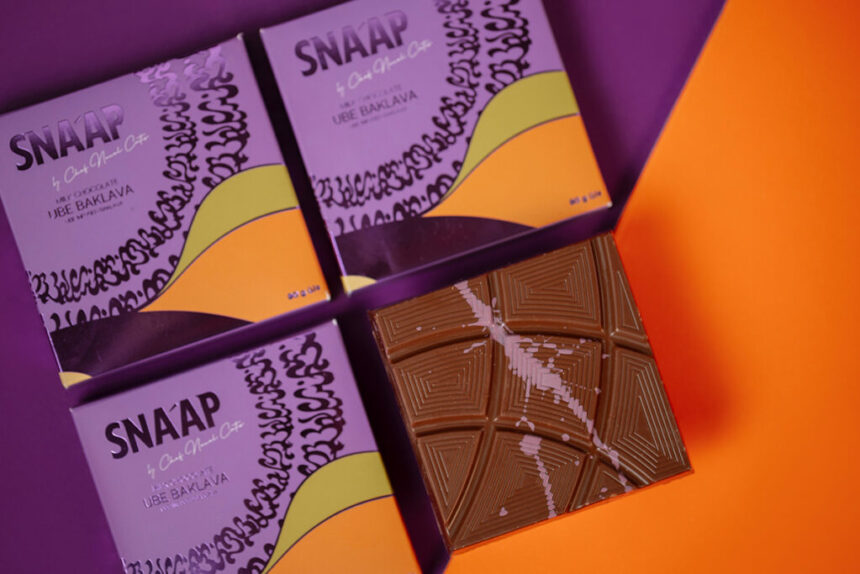
Filipino chef Nouel Catis considers his part in Dubai’s viral chocolate’s success and cautions food entrepreneurs about legal oversights
After chef Nouel Catis and his crew introduced the product in October 2024, Dubai’s pistachio kunafa chocolate—a combination of the city’s famous desserts—became viral. Demand for Catis’s new business, Snaap DXB, was so great that the first batch of 3,000 bars sold out in two days. However, despite playing a crucial part in the creation of the now-worldwide success, Catis finds himself marginalized as the product becomes well-known throughout the world—an experience he is now advising other food entrepreneurs to take note of.
The Origins of a Viral Invention
One of the initial investors in the pistachio kunafa chocolate project was Catis, a Filipino chef with extensive experience in Dubai’s culinary sector. Pistachio and kunafa, a delicacy that mixes crispy pastry with syrup-soaked cheese and nuts, are two popular Middle Eastern mainstays. The public was immediately captivated by the surprising yet beautifully harmonic combination that Catis’s invention produced. The chocolate gave people a new way to enjoy Dubai’s rich culinary culture by deftly incorporating features of the traditional kunafa.
Catis was no longer involved in the project, despite the chocolate being a viral sensation that attracted attention worldwide and reached markets well beyond Dubai. He kept his distance from the initiative and saw its continuing climb to prominence from the sidelines. Catis has thought about the significance of safeguarding artistic pursuits and making sure that legal protections are in place from the beginning as a result of this experience.
Catis cautions prospective food entrepreneurs on the vital significance of legal documents and protections in an exclusive interview with us. He says, “Do the legality from the start.” Catis’s personal experience serves as a warning on how, in the absence of an appropriate legal structure to protect ownership rights, creative contributions might be obscured or even eliminated. In his instance, his crucial contribution to the creation of the chocolate was disregarded, and once he left the project, there was no explicit contract guaranteeing his involvement.
Catis acknowledges the bitter lesson he learned as the product’s fame grew without his name attached, saying, “I’ve been sidelined in the global success story.” For Catis, preventing others from making the same error is more important than harboring animosity. Entrepreneurs run the risk of losing control over their own inventions if they disregard the laws that protect intellectual property, ownership, and commercial partnerships.
Snaap DXB: An Emerging Business
Catis is proceeding with his new business, Snaap DXB, in spite of the setback. The company’s initial batch of 3,000 bars sold out in quick time, indicating its early success. The business still demonstrates Catis’s commitment to creating cutting-edge, culturally appropriate goods. His involvement with the pistachio kunafa chocolate has given him great knowledge on the business side of operating a food-based firm as well as the realm of cooking.

